
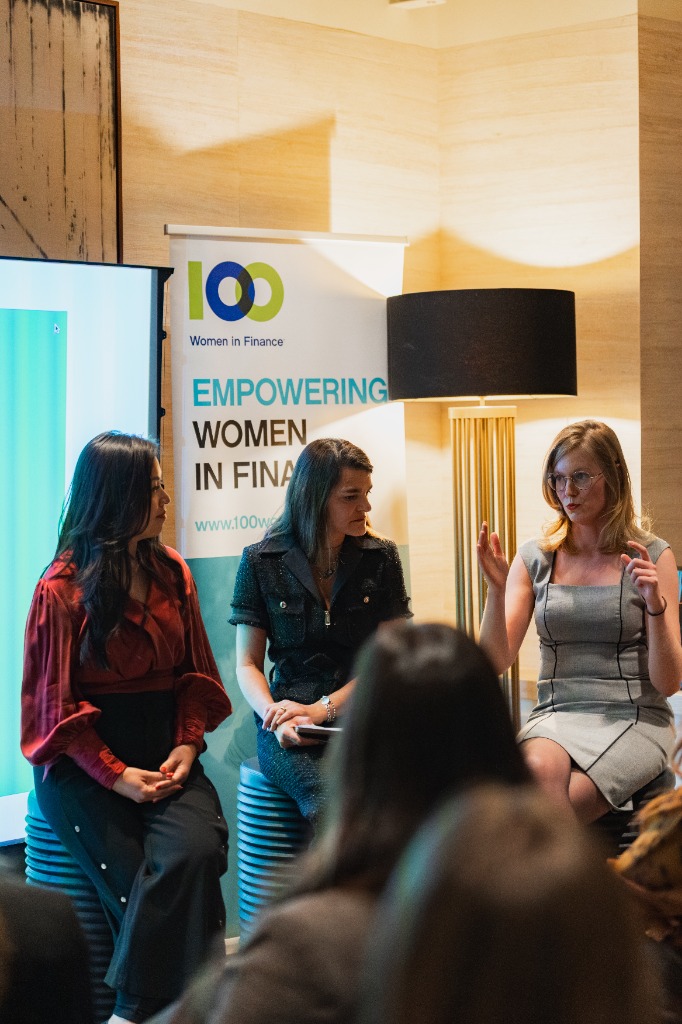
The Insights of the Rare investment pearls for disrupted times - Educational pillar
- Three out of four women globally are now investing, only one in six feels confident about achieving long-term financial goals. In Switzerland, the picture is even more striking: 43% of women do not invest their excess wealth, compared to just 27% of men.
- Participation is improving but gaps persist: 71% of women own stock-market investments*, yet other studies still document lower stock-market participation and lower allocations to risky assets among women. (*Fidelity's 2024 Women & Investing study)
- Performance is at least as good: Fidelity analysis 5.2M accounts (2011-2020) found women outperformed men by ~0.4%/yr; Warwick Business School (UK) found +1.8%/yr over three years, often attributed to trading less and staying invested.
- Life lasts longer, so portfolios must, too: Women live ~5.4 years longer than men, meaning more years to fund.
- Values & influence: A growing share of women want purpose-aligned portfolios., they are also more likely than men to invest on the basis of their values, favoring funds that not only perform well but also create a positive impact.
- Pension and pay gaps magnify the stakes: In Switzerland, the gender pension gap is about 31%, across OECD countries, the average gender wage gap is 11.5%, women face a greater risk of financial insecurity later in life.
- Regional differences are significant: North America has the highest volume of female-owned assets, while Asia is seeing the fastest growth. In places like the Middle East, improved access to education and healthcare is accelerating the expansion of women's wealth.
- Cultural barriers persist in some: In places like Japan and the Middle East, entrenched norms limit female wealth control and investment decision-making.
- Women are underserved: Financial industry often fails to meet women's needs, relying on stereotypes, upholding historical social norms that regard men as the primary financial decision makers.
- Generational shifts are evident: Millennial women are highly educated, financially literate, and far more active in managing wealth and making investment decisions than previous generations. The gender gap diminishes among younger cohorts.
"Women do not just want to boost the bottom line; they also want to help develop the communities we live in, by investing in education, health care, and our planet."