
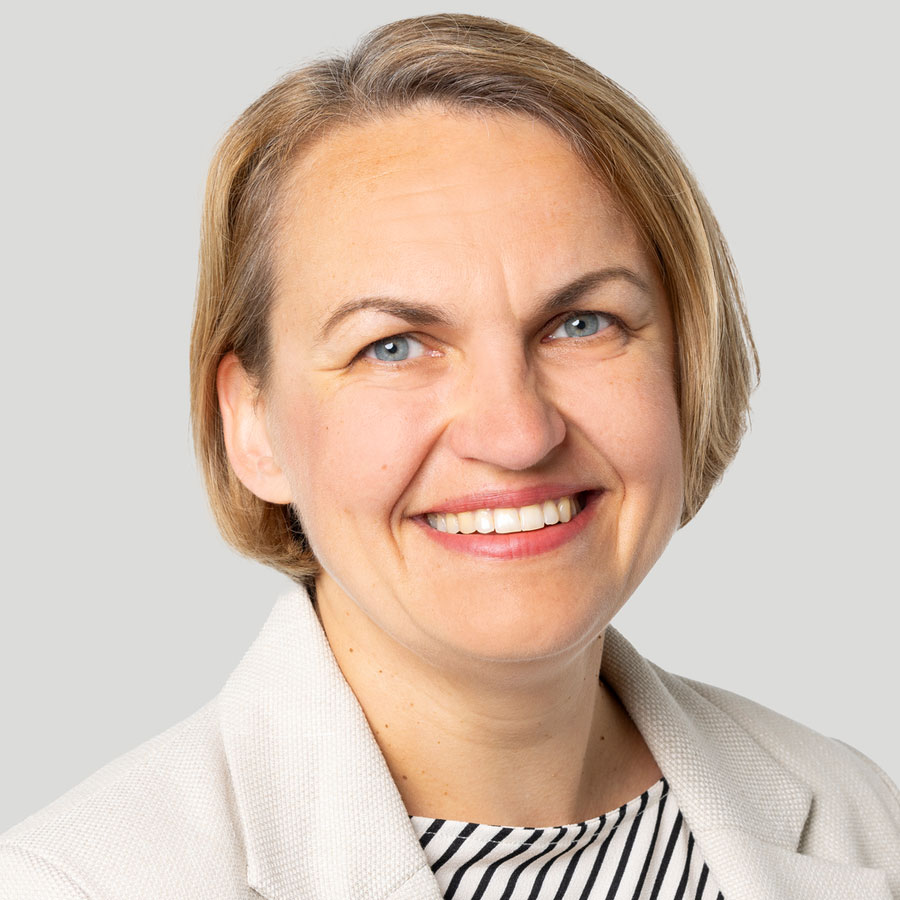
Switzerland leads the world in innovation, yet women remain significantly underrepresented among the entrepreneurs driving it. In this interview, Kristine Metuzale, Research Associate at the Institute of Management FHNW and member of FemSpin, an initiative dedicated to promoting equal opportunities in spin-off activities with a specific focus on women, explores why the country’s thriving start-up ecosystem has yet to fully include female founders.
From structural funding gaps and gendered networks to the role of family support and media narratives, Metuzale offers a nuanced account of the barriers women face, but also the conditions that help them succeed. Her research makes clear that closing the gender gap in entrepreneurship is not only a matter of equality, but a strategic imperative for Switzerland’s long-term innovation capacity.
Interview
1. Switzerland is consistently ranked as one of the world’s most innovative countries. Yet female representation in start-ups and university spin-offs remains comparatively low. How do you explain this paradox?
Although positive developments have been achieved, women still found only around 17% of start-ups and spin-offs emerging from Swiss universities and academic institutions. The paradox can largely be explained by the interaction between a highly competitive innovation system and persistent gendered norms. While Switzerland excels in research, technology transfer, and start-up infrastructure, entrepreneurial role models, media narratives, and informal networks often remain male dominated. Research shows that many women develop an entrepreneurial inclination later in their careers, often triggered by job dissatisfaction, unmet self-realisation needs, or a concrete business idea rather than early, explicit ambition.
2. What key barriers do women still face when founding start-ups or academic spin-offs?
Despite recent progress, women continue to face barriers at multiple levels. On an individual level, many female founders report self-doubt and uncertainty. Structurally, gaps in access to networks, mentors, and visible role models limit encouragement and guidance. Life-course factors also matter: the compatibility of entrepreneurship with family responsibilities remains a decisive issue. The transition from employment to self-employment is often perceived as risky, and women are more likely to abandon projects if financial security or family support is lacking.
On an individual level, many female founders report self-doubt and uncertainty.
3. What drives the persistent funding gap for women founders?
Access to funding remains one of the most critical challenges. In Switzerland and across Europe, female-led start-ups receive a disproportionately small share of venture capital. Several factors contribute to this gap. Investor networks are predominantly male, which affects funding decisions. Women often pitch differently, emphasizing feasibility and risk awareness rather than the aggressive growth narratives typically rewarded by investors. Another contributing factor is that female-led start-ups may operate more often in industries that do not usually attract large amounts of venture capital.
4. To what extent does gender bias still shape the entrepreneurial ecosystem?
Interviews we have conducted highlight that successful women entrepreneurs are often portrayed in the media as exceptions, rather than as normal representatives of entrepreneurial success. Such narratives reinforce stereotypes about who “fits” the role of an entrepreneur. Bias also manifests in evaluation processes, networking dynamics, and advisory settings.
5. What factors most strongly influence the success of female-led start-ups?
Research indicates that success is shaped less by gender itself and more by conditions that disproportionately affect women. Key success factors include early validation of the business model, clear identification of paying customers, and access to complementary skills, often achieved through the founding team. Confidence-building mechanisms such as mentorship, positive feedback, a strong ecosystem, and early customer interaction play a crucial role. Strong partner and family support, both emotional and practical, significantly increase the likelihood that women persist through demanding start-up phases.
6. What broader societal impact does increased female leadership in entrepreneurship have?
Women-led ventures often integrate social and community-oriented goals alongside economic ones, contributing to inclusive and sustainable innovation. Expanding female leadership broadens the talent pool, enhances diversity in problem solving, and strengthens Switzerland’s long-term innovation capacity. On a societal level, visible female entrepreneurs challenge traditional gender roles, provide role models for future generations, and support progress toward gender equality.
Women led ventures often integrate social and community-oriented goals alongside economic ones, contributing to inclusive and sustainable innovation.