

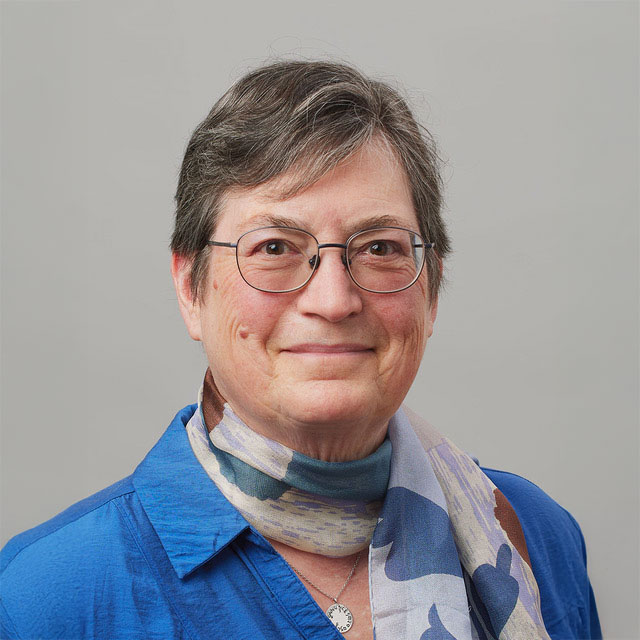
Few leaders embody both scientific excellence and institutional vision as fully as Professor Janet Hering. As former Eawag Director and professor at ETH Zurich and EPFL, she has not only shaped environmental research but also contributed meaningfully to conversations about gender, leadership, and the future of academia. Drawing from years of experience across the United States and Switzerland, Professor Hering reflects on what it means to lead as a woman in academic institutions, the structural changes needed to foster equity, and why diverse leadership is essential if academia is to meet society’s most pressing challenges.
In this interview, we extend the conversation she began in her 2019 paper, Women as Leaders in Academic Institutions: Personal Experience and Narrative Literature Review. For more on this topic, see the blog series she co-writes and edits at epistimi.org/blog.
Interview
1. You have built an exceptional career across two countries and multiple institutions. Looking back to when you first began your academic career, how would you describe the landscape for women in academia then compared to now?
Until 2025, I would have said that conditions for women in academia have been steadily improving, even if the improvement was slower than I would have liked. Unfortunately, there has been considerable retrenchment in the last year, especially in the United States. Despite this, the representation of women in STEM academics has improved over time, including in top leadership positions.
2. Despite the progress you’ve observed, what barriers continue to limit women’s full participation in academic leadership?
There are numerous barriers, particularly related to gender-biased expectations. Women are simply not accorded the visibility and respect that we deserve. But an important barrier is the self-interest of senior colleagues, mostly male, who enjoy privileges in the current system that they do not wish to lose.
3. In your article, you argue that greater participation by women in institutional leadership is essential for academia to remain relevant to society’s needs. From your perspective, what unique contributions do women bring to institutions?
In my experience, women’s leadership tends to be collaborative and based on shared goals. But it’s important to recognize that this is not all women and that men can also be supportive and collaborative leaders. For me, a leader’s values are the key consideration and it can be quite dangerous to rely on gender as a proxy for values.
4. You write that women may unconsciously disqualify themselves from leadership roles before others even have the chance to. How have you personally worked against that kind of self-imposed bias, and what advice would you give to a woman on the fence about pursuing an institutional role?
I think that many people, both women and men, can grow into roles that challenge them. Indeed, it’s hard to grow without being challenged. My advice is to women to give themselves the opportunity for growth. It is not necessary to be fully qualified for a position from the first day.
5. During your tenure, you helped establish initiatives like the Equal Opportunity Committee and more transparent career discussions. What initiatives or structural changes do you believe are most effective in increasing women’s representation in leadership?
One initiative that I was proud to have implemented at Eawag is a support program for mothers returning to work after maternity leave, the Tailwind program. This program provides funding to encourage women to set priorities and delegate some responsibilities so that they can reengage effectively at work. There are many mothers who are successful leaders. Younger women often perceive these two roles as incompatible, but this is not true.
6. You describe institutional leadership as deeply demanding, yet also profoundly rewarding. What have been the most meaningful or fulfilling aspects of your leadership journey?
I took great satisfaction from the success of junior colleagues whose careers I was able to influence through my leadership position. During my tenure as Eawag Director, we hired about 50 researchers in tenure-track or tenured positions. These individuals are the future of Eawag and I look at them as my principal legacy.
7. You encourage women in leadership roles not only to mentor but also to actively sponsor other women. Why is sponsorship so relevant in academia? And how can women leaders balance this responsibility with the many demands already placed upon them?
It’s true that both mentorship and sponsorship take time. Of the two, sponsorship may seem more demanding because it depends on active engagement of the sponsor. But since the sponsor actively identifies herself with the individual she sponsors, the success of that individual has potential benefits for the sponsor. In general, I would encourage women to be strategic about investing their time in service activities and to prioritize those activities that make a real difference within their organization or professional community. Let the men do the academic housekeeping for a change.